Personal reflections on the glorious legacy of Máire Philomena Ní Bhraonáin.
Yesterday was one of those perfect spring days in New York City. So perfect in fact that it almost felt unreal. As I sat in Sakura Park in upper Manhattan watching the warm breeze carry gently falling cherry blossoms through the golden evening light, the faint sound of a fiddle, bodhrán and tin whistle floated towards me from across the park. Three young men sitting on a bench had decided to have an impromptu Celtic music session, and I couldn’t have been more delighted. The veil between the worlds truly felt thin.
When I woke up this morning, I was shocked to learn that Máire Philomena Ní Bhraonáin, more widely known to the world as Moya Brennan, the voice of Clannad and the matriarch of the foremost family of Irish music, was entering into eternal life around that very time yesterday evening. Indeed, the veil between the worlds was thin.
An incredibly accomplished singer, harpist and songwriter, Moya and the many other talented members of her family took the traditional music of their native Donegal to unprecedented, global heights in a way that no one saw coming. While never losing the earthy integrity of their musical tradition, the tight harmonies of the Brennan family and their embracing of contemporary innovations in music production cast a shimmering veil over Celtic music which only deepened its inherent mystical qualities. And as native Irish speakers hailing from a secluded Gaeltacht in the northwest of Ireland, they perhaps did more than any other family to turn what was once considered a backwater language into a shining source of pride and spiritual identity for the Irish people.
Moya’s voice has been woven into the fabric of my own life since childhood. In fact, I don’t remember a time when music produced by herself, her sister Enya or her family’s band Clannad did not provide a backdrop for carefree days spent with friends and family. From candlelit dinner parties and lazy afternoons spent at my family’s holiday home on the Northern Neck of Virginia to late nights in my childhood bedroom dreaming of travelling to Britain and Ireland, the voices of the Brennan family were there. And I shall never forget the sound of Moya’s voice and harp in my ear as I climbed Glastonbury Tor just a week after moving to England to attend university, looking out over the sweeping Somerset landscape and shedding a few tears as I thought about my family now across an ocean.
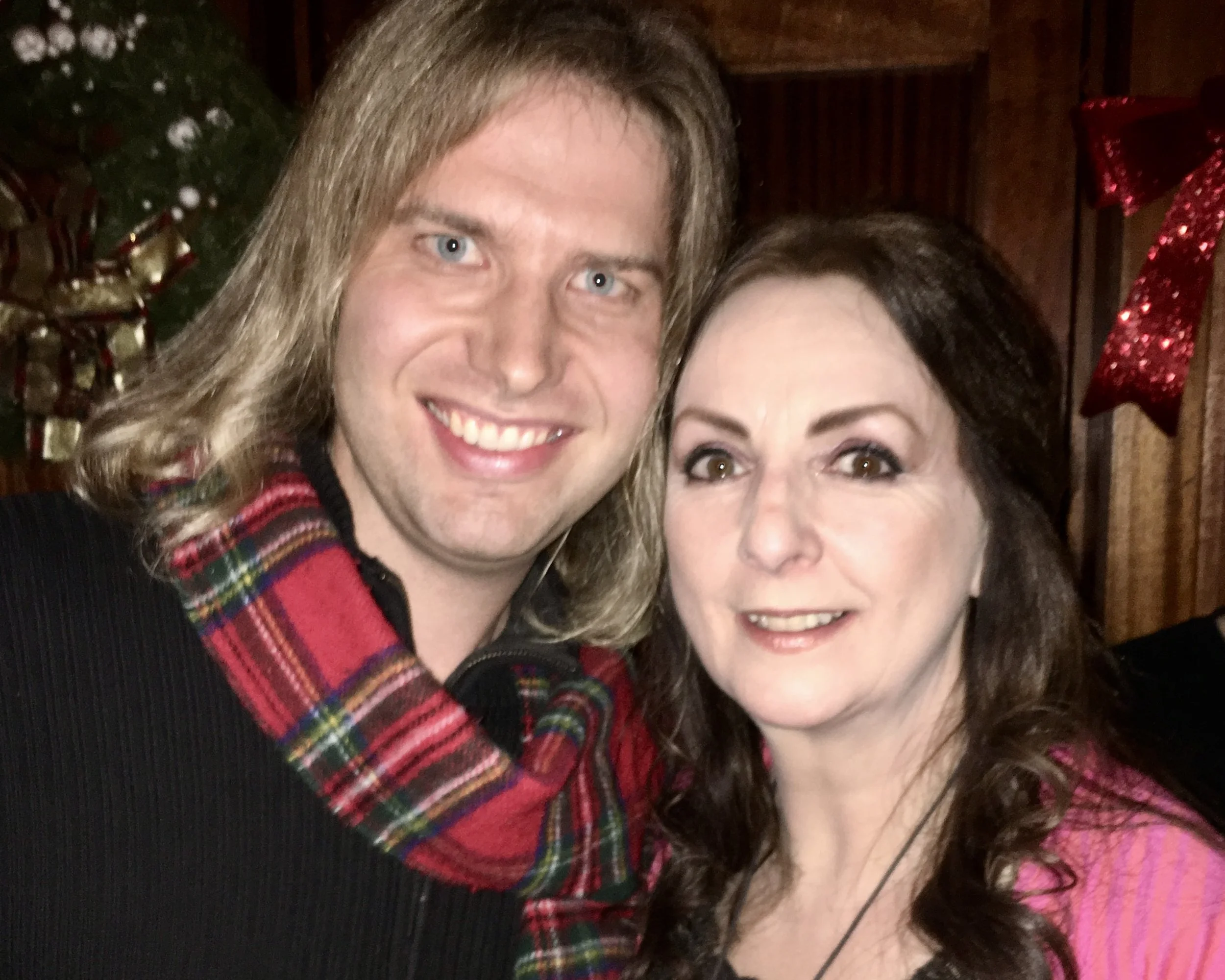
I had the great privilege of hearing Moya perform live on four occasions and meeting her twice. The first time I heard her perform was at St George’s Bristol, just a short distance from where I was living in Bath. The way she let the music pour through her in such a profoundly pure way was one of the most beautiful things I had ever witnessed. And the warmth, joy and humour she exuded were beyond delightful. When I met her for the first time around five years later in New York City, that warmth was even more tangible. I feel that she was one of the most genuinely maternal women that I’ve ever encountered.
In some ways, Moya’s energy reminded me of that of my own mother. Their infectious laughter and sparkling eyes lit up every room into which they walked, and they were both incredibly devoted to their families and communities. How interesting to me that they both died at home at the age of 73, surrounded by vernal blossoms and their loved ones in the bright season just following Easter.
I first visited Moya’s native Donegal in the autumn of 2023 and again more recently last year. I always knew that my heart would feel at home there, and indeed it did. It became immediately apparent to me that the music created by Moya and her family is a sonic manifestation of the beauty of the land from which they came. One can hear them in the wind sweeping across the Poisoned Glen, in the waves crashing against the cliffs along the Wild Atlantic Way, in the mist swirling round Mount Errigal. Experiencing this firsthand was an overwhelmingly emotional experience for me - an experience which will be even more poignant when next I’m in Donegal, where forever our Moya will be singing.
Ar dheis Dé go raibh a hanam.